





A review published in Frontiers in Nutrition on January 11, 2026, brings attention to some promising information for healthy aging: the combination of creatine and exercise may support both physical strength as well as cognitive function in older adults.
For many years, scientists treated cognitive decline and muscle loss as distinct issues. But, that separation is challenged in this new review. It draws attention to the growing knowledge that the brain and muscles of the body are intricately linked, and that strengthening one may have a direct positive impact on the other.
The Relationship Between Creatine and Exercise in the Brain and Muscles
One of the most interesting ideas in the review is the concept of the “muscle–brain axis.”
Exercise causes muscles to release molecules that travel throughout the body, including the brain, in addition to helping us move. They affect learning, memory, mood, and even the brain’s capacity to develop and adapt.
In addition, balance, coordination, and reaction time are all significantly influenced by the brain. When one system starts to deteriorate, the other usually follows. For this reason, methods that promote brain and muscle health are becoming increasingly crucial in the study of aging.
What the Review Found
The pattern was generally positive across the many studies the authors looked at, including clinical trials and meta-analyses: creatine supplementation led to measurable improvements in both physical and cognitive outcomes, particularly when combined with resistance training.
Physically, older adults tended to increase their lean muscle mass, strength, and overall functional ability. These adjustments can reduce the risk of falls and help older adults maintain their independence.
Cognitively, the benefits were equally strong. Memory, processing speed, and executive function all improved in older adults, according to several studies. These effects were most evident in older adults who started out with lower creatine levels.
Why Creatine is Significant
Creatine is a naturally occurring compound stored in both muscle and brain tissue. Its main job is to help cells regenerate energy quickly, especially during moments of high demand. In muscles, this translates to better strength and less fatigue. In the brain, it supports energy metabolism during thinking tasks and may help protect cells from stress.
Creatine can directly support the muscle-brain connection because it increases energy in both the brain and the muscles. This contributes to the growing interest in the relationship between exercise and creatine in older adults.
Exercise Improves the Benefits
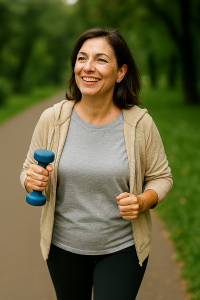 Additionally, the review also highlights how exercise, especially resistance training, activates the muscle–brain connection in ways creatine alone cannot. Exercise increases blood flow to the brain, boosts neurotrophic factors that support learning and memory, and stimulates the release of myokines that help maintain brain health.
When creatine is added to an exercise routine, the two appear to work together. The review describes this as a synergistic effect, whereby the combination yields better results than either intervention alone.
Is Creatine Safe for Older Adults?
The majority of studies use creatine monohydrate, which is generally safe, well-tolerated, and extensively studied, according to the review.
Note: Pure Creatine Monohydrate Powder is one of many high-quality options that are available if you’re thinking about using creatine.
As with any supplement, older adults or those with kidney concerns should check with a healthcare provider before starting it, but the overall safety profile is strong.
What Creatine and Exercise Mean for Healthy Aging
This 2026 review is encouraging. Strength and mental clarity don’t have to inevitably deteriorate with age. It suggests that targeted lifestyle strategies may help support strength and cognitive function as people age.
Resistance training, maintaining an active lifestyle, and taking supplements such as creatine may help older adults maintain their strength, stability, and sharpness.
 Share
Share Share
Share