






Antioxidants get talked about constantly in wellness. You see the word on supplement labels, juice bottles, skincare products, berry powders, green drinks, and almost anything connected to “healthy aging” or “cellular support.”
But for all the attention antioxidants get, the basic idea is often left a little fuzzy.
Are antioxidants something you only need when you are sick? Are they just another name for vitamins? Do they actually do anything you can feel?
The simplest way to think about antioxidant support is this: your body is always doing work, and that work creates normal wear and tear. Antioxidants help your body manage some of that everyday cellular stress.
That does not make them a magic shield. It does make them part of a bigger wellness picture, especially when they are paired with the habits your body already depends on.
What Oxidative Stress Means in Everyday Life
Oxidative stress sounds more complicated than it needs to.
Your body naturally produces unstable molecules called free radicals as part of normal processes, including energy production, immune activity, and the breakdown of substances your body needs to process. Free radicals are not automatically bad. They are part of normal biology.
The issue is balance.
When free radical activity rises faster than your body can keep up, that imbalance is called oxidative stress. It can be influenced by everyday factors such as poor sleep, stress, pollution, alcohol, smoking, highly processed foods, intense exercise, and normal aging.
Most people do not walk around saying, “I think I am experiencing oxidative stress.” They usually notice it in more ordinary ways. Feeling worn down after a stressful week. Taking longer to bounce back after a busy stretch. Seeing their skin look dull. Feeling like their energy is less steady than usual.
Those feelings can have many causes, and they are not proof of any one problem. But they are a good reminder that the body does a lot of behind-the-scenes work every day.
How Antioxidants Support Normal Defense Systems
Antioxidants help neutralize excess free radicals before they create too much cellular wear and tear. Your body makes some antioxidants on its own, including glutathione, and you also get antioxidant support from foods.
Colorful plant foods are one of the most familiar sources. Berries, leafy greens, citrus fruits, tomatoes, carrots, herbs, spices, beans, nuts, seeds, and teas all contain different antioxidant compounds.
This is why antioxidant support is not really about chasing one “superfood.” A more useful goal is variety.
Different plant colors usually signal different families of beneficial compounds. Deep blue and purple foods often contain anthocyanins. Orange and yellow foods may provide carotenoids. Green vegetables bring their own mix of nutrients and plant compounds. Herbs and spices can add a surprising amount of antioxidant variety in small amounts.
The more varied your routine is, the more ways you give your body the ability to support its normal defense systems.
Where Supplements Can Fit
Food should usually be the foundation of antioxidant support. It gives you more than isolated antioxidant compounds. It also provides fiber, minerals, vitamins, water, and other nutrients that work together.
That said, targeted supplements can have a place in a steady wellness routine.
Some people look to antioxidant-focused supplements because they want extra support during demanding seasons. Others are interested in specific nutrients or botanicals that have been studied for how they support the body’s normal protective systems.
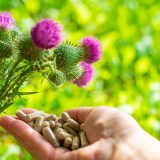
Milk thistle is a good example of a targeted approach. Its active compounds, often grouped under the name silymarin, are commonly discussed in connection with liver and antioxidant support. That matters because the liver performs many of the body’s metabolic and detoxification processes, which naturally generate oxidative byproducts.
The key is keeping expectations in the right place. A supplement does not replace vegetables, sleep, hydration, movement, or stress management. It may support the routine you are already building.
Simple Daily Habits That Support Antioxidant Balance
You do not need to overhaul your life to support antioxidant balance. Most of the useful habits are familiar.
Start with more color on your plate. Add berries to breakfast, leafy greens to lunch, herbs to dinner, or a piece of fruit as an afternoon snack. These small choices are easier to repeat than a dramatic reset.
Pay attention to sleep. Poor sleep can make almost every part of wellness feel harder, including energy, appetite, recovery, and stress resilience.
Stay hydrated. Water supports normal circulation, digestion, temperature regulation, and waste removal. It is not exciting, but it matters.
Move your body consistently. Regular physical activity supports circulation and metabolic health. Very intense exercise can temporarily increase oxidative stress, but regular moderate movement helps the body adapt in healthy ways over time.
Limit the habits that add extra load. Too much alcohol, frequent ultra-processed foods, smoking, and chronic stress can all increase the pressure on your normal defense systems.
Antioxidant Support Is About Consistency
Antioxidant support is not about one perfect food or one supplement that does everything.
It is about helping your body handle the normal demands of daily life. That support comes from the meals you repeat, the sleep you protect, the movement you make time for, and the extra targeted support you choose when it makes sense.
If you are building an antioxidant routine, keep it simple. Eat more colorful whole foods. Stay hydrated. Move regularly. Give your body time to recover. Then consider whether a focused supplement belongs in that bigger picture.
Small daily choices may not feel dramatic in the moment, but over time they can help support the steady cellular resilience your body is already working to maintain.
 Share
Share Share
Share